About the Conference
SMART 2026 – International Conference on Sustainable Management and Advanced Research Technologies is a distinguished global platform that unites researchers, academicians, industry leaders, policymakers, and practitioners to exchange cutting-edge insights and groundbreaking research on the integration of sustainability principles with advanced technological Innovations.
In an era defined by pressing environmental challenges, resource constraints, climate urgency and rapid digital transformation, the convergence of sustainable management practices with emerging technologies has become imperative for building resilient economies and societies. SMART 2026 is dedicated to exploring how advanced research technologies can drive sustainable development across diverse sectors, enabling organizations and communities to achieve long-term environmental, social, and economic balance.
The conference will feature in-depth discussions on sustainable business models, circular economy strategies, ESG (Environmental, Social, and Governance) frameworks, green finance, smart resource management, sustainable supply chains, climate-resilient infrastructure, AI and data analytics for sustainability, renewable energy systems, sustainable urban development, and responsible innovation ecosystems. Through these themes, the conference aims to foster practical solutions that align profitability with planetary well-being and social equity.By promoting interdisciplinary dialogue and collaboration among academia, industry, government, and civil society, SMART 2026 seeks to accelerate the adoption of sustainable management practices powered by advanced technologies, paving the way for a regenerative, inclusive, and future-ready global economy.
About Rajarambapu Institute of Technology, Rajaramnagar
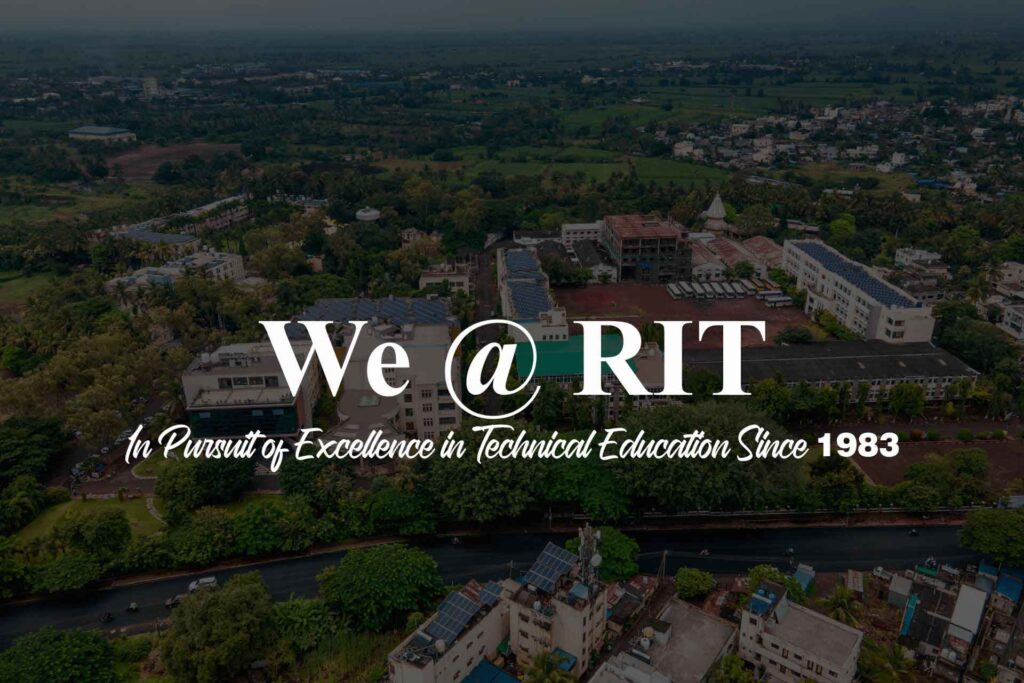
Rajarambapu Institute of Technology (RIT), Rajaramnagar, Sangli, Maharashtra, is an empowered autonomous institute with over 42 years of excellence in technical education. The institute is accredited by NAAC with an A+ grade, and all eligible programs are NBA accredited, reflecting its strong commitment to quality and outcome-based education. RIT offers a diverse academic portfolio comprising 11 undergraduate programs, 9 postgraduate programs, and 5 Ph.D. research centers, and is ranked in the 101–150 band of the NIRF Innovation Ranking 2023. The institute has received several prestigious recognitions, including “Best Private Engineering College” by ISTE and “Most Reputed Empowered Autonomous Institute” by Navbharat Education. With a global outlook, RIT offers twinning programs in collaboration with foreign universities across 5 UG and 7 PG programs, including MBA, along with working professional programs in Diploma, B.Tech, and M.Tech. he institute also organizes the International Conference ICONAT, which has been conducted annually for the last three years and is technically co-sponsored by IEEE, providing a global platform for researchers, academicians, and industry professionals to share and advance research and innovation.
Objectives
The primary objectives of the International Conference on Sustainable Management and Advanced Research Technologies (SMART 2026) are to serve as a premier global platform for knowledge sharing among researchers, academicians, industry professionals, policymakers, and practitioners in the fields of sustainable management practices and cutting-edge technological innovations; foster interdisciplinary collaboration across diverse domains such as sustainable business strategies, green technologies, circular economy, advanced data-driven decision-making, digital transformation, and responsible innovation; showcase emerging research in sustainable supply chain management, climate-resilient infrastructure, renewable energy systems, ESG (Environmental, Social, and Governance) frameworks, smart resource optimization, ethical AI deployment, and sustainable finance; promote the design and implementation of innovative, scalable solutions addressing real-world challenges in climate change mitigation, resource scarcity, inclusive economic growth, urban sustainability, healthcare equity, responsible manufacturing, and sustainable agriculture; and bridge the gap between academic research and practical industry adoption through collaborative projects, industry-academia partnerships, hands-on workshops, and technology transfer initiatives.
Conference highlights:
-
Cutting-edge research in Sustainable Management Practices, Green and Circular Economy, Climate-Resilient Technologies, ESG Integration, Smart Cities & Infrastructure, Renewable Energy Systems, Sustainable Finance, and Responsible Digital Transformation.
-
Technical sessions on AI-driven sustainability analytics, blockchain for transparent supply chains, IoT-enabled resource optimization, big data for environmental monitoring, advanced materials for green engineering, and innovative business models supporting the UN Sustainable Development Goals (SDGs).
.
-
Insights into carbon-neutral strategies, sustainable leadership, cybersecurity for green digital ecosystems, ethical technology governance, and regenerative economic frameworks.
-
Keynote addresses by renowned global experts, high-level panel discussions on pressing sustainability challenges, and interactive workshops focused on practical tools and implementation strategies.
-
Extensive networking opportunities to build collaborations among academia, industry leaders, startups, NGOs, government bodies, and international organizations.
-
Selected high-quality papers will be recommended for publication in reputed Scopus-indexed/Web of Science journals or conference proceedings with ISBN.